

Embarking on the journey of starting a metal building business requires careful consideration and strategic planning. In an industry marked by innovation, changing regulations, and diverse customer needs, success hinges on not only the quality of your metal structures but also your ability to effectively market your services.
As a leading authority in the metal building installation and supply sector, Eagle Carports brings forth invaluable insights into the nuances of this dynamic industry.
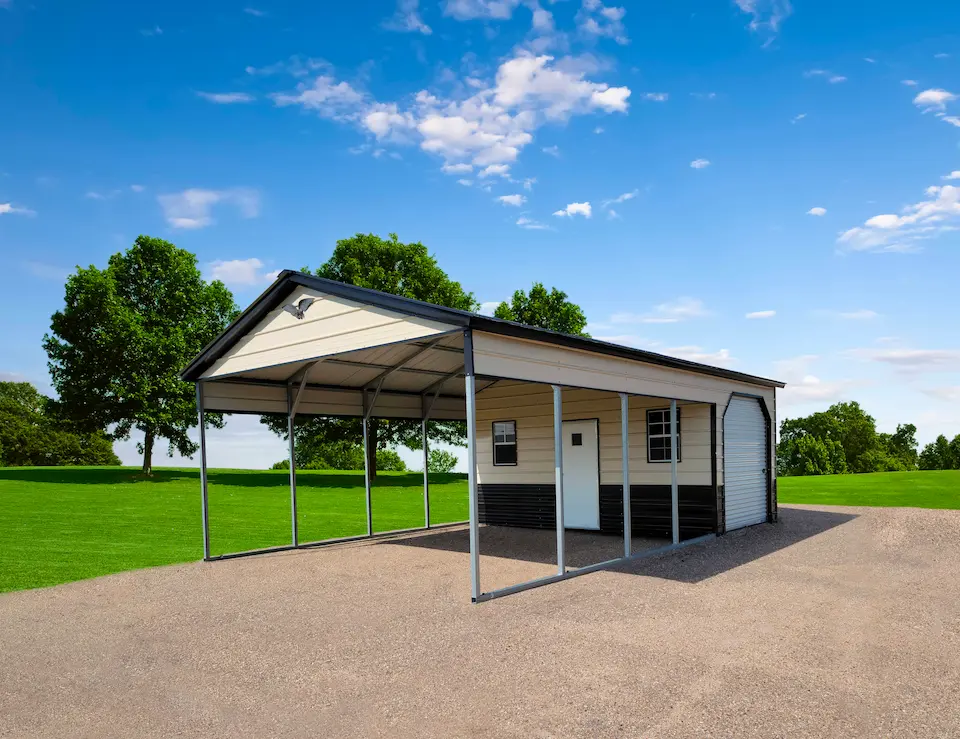
Whether you're a budding entrepreneur or an established player looking to enhance your marketing strategies, this blog serves as a comprehensive guide, offering essential considerations and actionable tips to navigate the terrain of starting and marketing a metal-building business.
Quick Answer: To start and market a metal building business, validate demand in your service area, pick a business model (dealer, installer, full turnkey), secure licensing/insurance, and partner with a reliable manufacturer. Launch with a professional site and 3D builder, set clear pricing and lead times, then drive demand with local SEO, paid search, and referral partnerships. Track every lead in a CRM and reinvest in the channels that produce the lowest cost per sale.
Table of Contents
What Does a Metal Building Business Do?
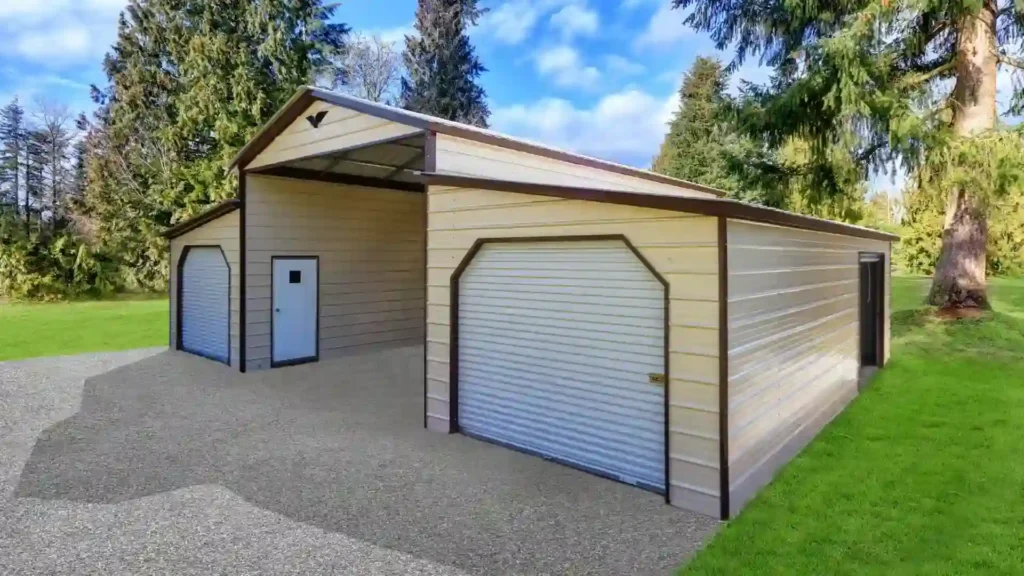
A metal building business helps customers with all the stages of the process from the beginning (designing) through to building the metal structure:
- Determining the design
- Understanding local requirements such as permitting
- Getting information on financing
- Sourcing installation
- Communicating with the manufacturer (if needed)
- Offering support after installation
Understanding the Metal Building Market
The metal building industry encompasses a wide array of structures, ranging from residential metal garages to large-scale commercial steel buildings and agricultural metal barns. Before diving headfirst into starting your own custom metal building business, it's crucial to gain a comprehensive understanding of the various facets that define this dynamic sector.
Steel Building Market Analysis
One of the foundational steps in understanding the metal building business is conducting a thorough market analysis. This involves researching custom metal building industry trends, assessing market demand for metal building projects, and identifying potential competitors in metal building solutions. Understanding the current landscape will help you make informed decisions about your business strategy, such as target markets, pricing strategies, and differentiation tactics.
Types of Metal Residential and Commercial Buildings
Metal buildings come in diverse shapes, sizes, and functionalities, catering to a wide range of needs and industries. Residential metal buildings include metal carports, garages, workshops, storage sheds, and metal RV covers, providing homeowners with durable and cost-effective solutions for their storage and workspace needs.
On the commercial side, pre-engineered metal buildings serve as warehouses, manufacturing facilities, retail stores, and even office spaces, offering businesses versatile and customizable structures to meet their operational requirements. Additionally, agricultural metal buildings such as barns, stables, and equipment sheds play a crucial role in supporting the farming and ranching industry.
Regulations and Permits for Steel Buildings
Building codes, zoning regulations, and permit requirements vary by location and dictate the specifications and processes for constructing a metal building system. Familiarizing yourself with the laws and regulations for metal buildings and ensuring compliance is paramount to avoid costly delays, fines, or legal issues down the line. Partnering with knowledgeable professionals, such as architects, engineers, and legal advisors, can help streamline the permitting process and ensure adherence to all applicable regulations for residential and commercial projects.
Starting Your Metal Building Business
Embarking on the journey of starting your own metal building business is an exciting endeavor, but it requires careful planning, preparation, and execution. From developing a solid business plan to securing financing and setting up your operational base, each step plays a crucial role in laying the foundation for a successful venture in the competitive residential and commercial steel building industry.
Startup Cost Snapshot (Typical Ranges)
| Line Item | Typical Range | Notes |
|---|---|---|
| Business registration, licenses | $100–$1,000+ | Varies by state/county and scope |
| Insurance & bonding | $1,000–$5,000/yr | General liability; add workers’ comp if needed |
| Tools, equipment, vehicle outfitting | $2,000–$15,000+ | Depends on install scope vs. dealer model |
| Website & branding | $1,500–$8,000 (or SaaS monthly) | Portfolio, quote forms, reviews, 3D builder |
| CRM & 3D builder | Often low/no cost | Eagle’s 3D tool is offered to dealers at no additional cost |
| Marketing (SEO, PPC, social, shows) | $1,500–$10,000+/mo | Scale to demand; track cost per sale |
| Working capital (1–3 months) | Varies | Cover ops while pipeline ramps |
Establishing Your Brand and Marketing Strategy
In the competitive landscape of the metal building industry, establishing a strong brand identity and implementing an effective marketing strategy are essential to differentiate your business, attract customers, and drive growth. Whether you're just starting or looking to revitalize your existing brand, focusing on branding and marketing can set you apart from the competition and position your metal-building business for long-term success.
Marketing Channels by Goal & Time to Impact
| Channel | Primary Goal | Time to Impact | Notes |
|---|---|---|---|
| Local SEO (GMB, location pages) | Inbound leads | 4–12 weeks | Reviews, service-area pages, FAQs |
| Google Search Ads | Immediate demand | Days | Tightly themed keywords, converter LPs |
| Social Ads (FB/IG) | Awareness/retargeting | 1–4 weeks | Carousel of builds; finance promos |
| Home shows / expos | High-intent leads | Event-based | Book appointments; on-site quotes |
| Contractor/referral partners | Steady pipeline | 4–12 weeks | Spiffs, co-marketing, fast turnarounds |
| Email & CRM automation | Close & nurture | Days–weeks | Quotes, next steps, financing reminders |
Building Relationships and Partnerships in the Metal Building Industry
Whether you're working with suppliers, subcontractors, or clients, investing in building strong relationships can create mutually beneficial opportunities and contribute to the overall success of your metal-building business.
Suppliers and Subcontractors
Establishing reliable relationships with metal building suppliers and subcontractors ensures a steady supply of quality materials and skilled labor for your projects. Research and vet potential suppliers based on factors such as product quality, reliability, and pricing. Cultivate open communication channels and negotiate favorable terms to optimize your supply chain and minimize disruptions to your operations.
Networking Within the Industry
Join industry associations, attend trade shows, and participate in networking events to connect with other professionals, contractors, and suppliers in the field. Building relationships with peers and industry influencers can provide insights into emerging trends, best practices, and business opportunities, as well as potential referrals and partnerships.
Client Relationships
From the initial consultation to project completion and beyond, prioritize open communication, transparency, and responsiveness to address your client’s needs and expectations. Take the time to understand their goals, preferences, and budget constraints, and tailor your metal building services to deliver customized solutions that meet their unique requirements.
By providing exceptional customer service, delivering quality workmanship, and exceeding client expectations, you can build a reputation for reliability and professionalism that sets you apart from competitors and earns referrals and repeat business.
Using 3D Builder Software
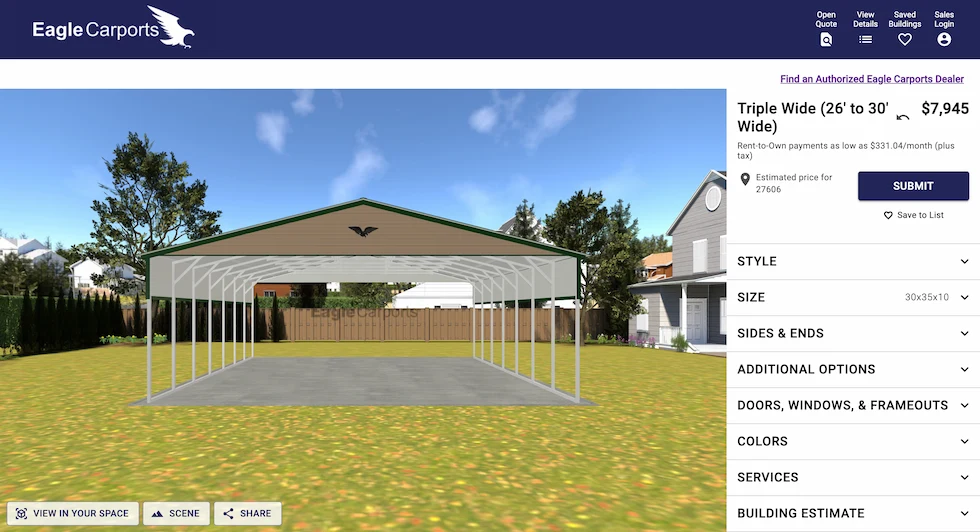
When you begin to work with clients, you will need a top-notch 3D builder to generate quotes. The 3D builder software is a tool that allows users to design and visualize their building virtually before it is physically built. It offers a user-friendly interface to customize the building's dimensions, styles, materials, and other details. This software also assists sales staff in making sure that every order is entered correctly. Eagle Carports offers this tool to its dealers at no additional cost.
Key Features and Benefits of 3D Builder Software
- Design Customization: Customers can adjust building size, shape, roof types, wall panel options, colors, doors, windows, and other features.
- Real-Time Visualization: The software provides a 3D model of the building, so customers can see their design real-time and make changes as needed.
- Material Selection: Customers can choose from various materials, including different types of metal, siding, and roofing.
- Quote Generation: Some builders offer a quote feature so that customers can estimate the cost of their design.Ease of Use: Many 3D builder software programs have a user-friendly interface, making the design process accessible to both professionals and homeowners.
The Sales Process
After establishing marketing practices that bring customers in, you need a solid sales practice that includes Sales Funnel Basics and ways to close deals. Eagle Carports helps new owners get set up on a tailored Customer Relationship Management.
Basic Stages in the Sales Funnel
The Sales Funnel is a visual representation of a customer’s journey from a potential lead to a paying customer. It is a structured process that helps businesses understand and manage their sales pipeline.
- Awareness: The potential customer becomes aware of your product or service, often through marketing efforts.
- Interest: The potential customer shows interest in learning more about your product or service.
- Evaluation and Consideration: The potential customer assesses your product or service, comparing it to alternatives.
- Decision: The potential customer decides whether to purchase your product or service.
- Action or Purchase: The potential customer makes the purchase.
Closing Deals
It is crucial to understand the prospect’s needs and demonstrate how your solution solves their problems to close deals. Here are some of the primary steps in closing a sale.
- Understand the prospect’s needs and pain points
- Present the value proposition of how your product solves their problem
- Build rapport and trust
- Anticipate and address objections
- Use closing techniques to close the deal such as asking for the sale such as: using an assumptive close, using a question close, or the urgency close
Challenges and Solutions
All businesses experience challenges. A well-established manufacturer like Eagle Carports can take the burden of these potential pitfalls off of you.
Some of the challenges of the metal building business include:
- Supply chain disruptions
- Fluctuating raw material prices
- Labor shortages
- Economic downturns
These challenges can impact cost, timelines, and the overall profitability of projects. However, having an experienced manufacturer like Eagle Carports to partner with ensures that you can be better able to meet the challenges.
FAQs About Starting a Metal Building Business
How much does it cost to start a metal building business in the U.S.?
Startup costs vary depending on whether you become a dealer or a full installer. A dealer can often begin with minimal overhead by partnering with a manufacturer like Eagle Carports. If you plan to run your own installation crews, expect higher startup costs for equipment, labor, insurance, and workspace. On average, costs can range from a few thousand dollars for a dealer program to $50,000+ for a fully operational metal building company.
Do I need a contractor license or special permits to sell and install steel buildings?
Requirements depend on your state and local municipality. In most cases, a general contractor license is required if you provide installation. You’ll also need to comply with zoning regulations, building codes, and obtain the proper permits for each project. Selling buildings as a dealer without handling installation may not require licensing, but always verify local laws before starting.
Should I start as a metal building dealer or a full turnkey installer?
Many entrepreneurs begin as metal building dealers, working with a manufacturer who provides products and handles delivery and installation. This option keeps overhead low and reduces liability. Expanding into a turnkey installation company offers greater control and higher margins but requires more investment in crews, tools, and insurance.
What profit margins are typical for metal garages, carports, and barns?
Margins can vary, but most metal building dealers see profits between 10–20% per sale, depending on volume and market conditions. Custom buildings such as barns, workshops, and garages often bring higher margins because they require more design features and upgrades. Offering financing or rent-to-own options can also increase close rates and average order values.
What insurance does a metal building business need?
At minimum, you’ll need general liability insurance to protect against property damage or accidents. If you employ crews, workers’ compensation is usually required. Some states and clients may also require bonding or builder’s risk coverage. Having the right insurance not only protects your business but also builds credibility with customers.
What is the best way to market a new steel building business?
A multi-channel approach works best. Focus on local SEO so customers searching for “metal garages near me” or “steel carports in [city]” find your business. Combine this with Google Ads, Facebook advertising, and home shows to build awareness. Partnering with established manufacturers and showcasing a portfolio of completed projects also helps build trust quickly.
How does 3D metal building design software help close more sales?
A 3D builder tool allows customers to design and visualize their building in real time, adjusting size, roof style, doors, windows, and colors. This not only improves the customer experience but also reduces order errors and speeds up quoting. Dealers who use 3D software often see higher conversion rates because customers feel confident in what they are purchasing.
How do financing options impact sales for a metal building business?
Offering financing or rent-to-own programs makes large purchases more accessible to customers. Flexible payment options increase the likelihood of closing sales, expand your customer base, and often lead to higher average order values. Partnering with financing companies or using manufacturer programs can help you offer these options without tying up your own capital.
Contact Eagle Carports Today for Expert Metal Building Solutions
Ready to take the next step in your steel building business? Contact Eagle Carports today to experience exceptional quality, craftsmanship, and customer service. Our team of metal building experts is ready to assist you with all your metal building business needs, whether you're looking to sell residential metal garages, commercial warehouses, or metal carports. With our commitment to excellence and dedication to customer satisfaction, we'll work closely with you to bring your vision to life.
Don't wait any longer– reach out to Eagle Carports today and let us help you build the perfect metal structure for your needs. Get started by calling us at 800-579-8589, filling out the form below, or viewing our 3D metal building design tool so you can explore the many options that come with a partnership with Eagle Carports.